
Friday, 26th June, 2026
Friday, 26th June, 2026
The historical evolution of casinos From ancient games to modern marvels


The historical evolution of casinos From ancient games to modern marvels
The Origins of Gambling
The history of gambling can be traced back to ancient civilizations, where games of chance played a central role in cultural practices. Archaeological evidence suggests that as early as 3000 BC, the Chinese were playing games involving betting on the outcomes of certain events. These early forms of gambling often took place in social settings and were tied to religious rituals, emphasizing their importance in communal life. Notably, the concept of modern gaming experiences, such as those found at kinghills, is built on these longstanding traditions.

Similarly, ancient Egyptians engaged in various games that involved betting, as did the Greeks and Romans. In these societies, gambling was not only a source of entertainment but also a means of socializing and forming community bonds. The Romans, in particular, developed intricate games and betting systems that laid the groundwork for future gambling establishments.
The Birth of Modern Casinos
The concept of the casino as we know it began to take shape in the 17th century in Italy. The first official casino, known as the Ridotto, opened in Venice in 1638, providing a regulated environment for gambling. This establishment allowed patrons to play games such as card games and dice games in a safe and controlled atmosphere, marking a significant shift from informal gambling to more organized forms.
This Italian model inspired other European countries, leading to the opening of similar establishments across the continent. By the 18th century, casinos had become popular social venues, attracting a diverse clientele and offering various forms of entertainment beyond just gambling, including music and dance.
The Rise of Las Vegas
The 20th century marked a turning point in the evolution of casinos, especially with the rise of Las Vegas in the United States. Initially, Nevada legalized gambling in 1931 to help stimulate the economy during the Great Depression. This legislation paved the way for Las Vegas to become a premier destination for gambling, entertainment, and tourism.
The 1950s and 1960s saw the emergence of lavish resorts and casinos that combined luxurious accommodations with an array of gaming options. Iconic establishments like the Sands and the Mirage transformed the perception of casinos from mere gambling halls to entertainment hubs, showcasing elaborate shows and dining experiences that catered to a wider audience.
The Digital Transformation
The advent of the internet in the late 20th century introduced a new era for casinos with the emergence of online gambling. The first online casino launched in the mid-1990s, offering players the convenience of gambling from home. This digital transformation revolutionized the industry, making gambling accessible to a global audience.
Modern online casinos now feature an extensive range of games, including slots, table games, and live dealer experiences. Advanced technology has enabled providers to deliver a seamless gaming experience, complete with high-definition graphics and interactive features, further enhancing player engagement and satisfaction.
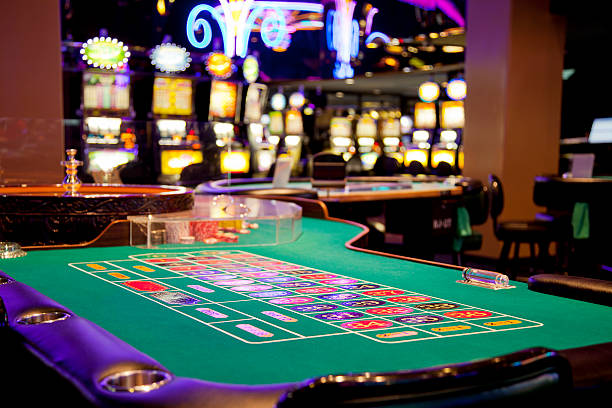
KingHills Casino: The Future of Gaming
As the casino landscape continues to evolve, KingHills Casino stands out as a modern marvel in online gaming. Launched in 2023, it offers UK players a secure and fully licensed platform where they can enjoy a diverse selection of games tailored to various preferences. With a commitment to user satisfaction, KingHills emphasizes transparent operations and cutting-edge security measures.
Moreover, KingHills promotes responsible gambling through various tools designed to help players manage their gaming activity effectively. Whether accessing the platform from a desktop or mobile device, players can expect a reliable and enjoyable gaming experience that embodies the exciting evolution of casinos throughout history.

Related Post
Recent
Popular


Editor: Ahsan Habib
Advisory Editor: Syed Ershad Ahmed
Published by the Editor from House: 41/1, Road:1, Block:A, Niketon, Gulshan-01, Dhaka:1212, Editorial Office: House-08, Road-37, Gulshan-2,Dhaka-1212
Phone: 02-9862635, 01785902626
Email: dailyeconomistbd@gmail.com,
editordailyeconomist@gmail.com
Developed by: Fagun Media & IT Communications Ltd.
Developed by: Fagun Media & IT Communications Ltd.